
Best Inflatable Docks for US Lakes & Coasts 2026

Best Inflatable Docks for US Lakes & Coasts 2026

Transform Your US Waterfront Experience with Premium Inflatable Docks

Whether you're anchored on the Great Lakes, exploring coastal waters along the Atlantic or Pacific, or enjoying inland reservoirs across America, the right inflatable dock transforms your boating experience from ordinary to extraordinary. The POPUP AQUADOCK and other premium inflatable platforms have revolutionized how American boaters, anglers, and water sports enthusiasts enjoy their time on the water. These versatile floating platforms offer unmatched portability, durability, and functionality for everything from yacht tenders to fishing platforms across diverse US water conditions.

In this comprehensive guide, we'll explore everything you need to know about selecting, using, and maintaining inflatable docks for American waters—from the frigid depths of Lake Superior to the warm Gulf Coast, and everywhere in between.

Why Inflatable Docks Are Perfect for US Boaters

Traditional fixed docks require permits, professional installation, and significant investment. Inflatable docks offer American boaters a flexible, cost-effective alternative that adapts to our diverse waterways and varying water levels. Here's why they're gaining popularity across the United States.

Woman paddle boarding on calm water wearing a long sleeve top and floral shorts

Portability Meets Performance

Unlike permanent structures, inflatable docks pack down to a fraction of their deployed size. The POPUP YACHTDOCK exemplifies this versatility—a 14-foot platform that stores in your boat, RV, or garage during the off-season. This portability is essential for American boaters who face seasonal closures, fluctuating reservoir levels, or who simply want to move their dock to different locations throughout the boating season.

For those exploring multiple waterways—from Lake Tahoe's crystal-clear alpine waters to the brackish estuaries of the Chesapeake Bay—portable inflatable docks travel with you. No need to invest in permanent infrastructure at each location.

Adapting to American Water Conditions

US waterways present unique challenges. Reservoir levels fluctuate dramatically based on drought conditions and dam releases. Coastal areas experience tidal changes. Great Lakes water levels vary seasonally. Inflatable docks adapt to all these conditions without the structural stress that damages fixed docks.

The flexible design absorbs wave action from passing boats, storms, and wind chop—critical for exposed locations on large lakes or coastal areas. This resilience makes them ideal for the dynamic conditions found across American waters.

Choosing the Right Inflatable Dock for Your Needs

Not all inflatable docks are created equal. Understanding your specific use case, water conditions, and performance requirements ensures you select the right platform. Our inflatable water docks collection offers options for every application.

Size and Capacity Considerations

Platform size directly impacts functionality and capacity. Consider these factors when selecting your inflatable dock:

Small Platforms (8' x 3' to 8' x 7'): The POPUP DOCK 8 X 7 provides 56 square feet of stable platform space—perfect for solo anglers, small boat tenders, or swim platforms for families. These compact options work well in tight marina slips, on smaller boats, or for kayakers and paddle boarders who need a stable rest platform.

Large Platforms (14' x 7' and up): Premium options like the POPUP AQUADOCK deliver 98 square feet of space, accommodating multiple people, gear storage, and diverse activities. These larger platforms serve as yacht tenders, fishing platforms for groups, or floating entertainment spaces for lakefront gatherings.

Material Quality and Construction

Marine-grade materials determine longevity and performance. Look for these critical features:

Drop-stitch construction: This technology creates rigid, flat surfaces that support substantial weight while maintaining portability. High-quality drop-stitch platforms can support 1,000+ pounds without flexing or instability.

UV-resistant materials: American sun exposure varies dramatically—from the intense UV at high-altitude Colorado reservoirs to the relentless Florida sunshine. UV-resistant PVC or similar materials prevent degradation and extend platform life.

Reinforced seams and attachment points: Quality construction includes reinforced D-rings, anchor points, and seam welding that withstands years of use in demanding conditions.

Intended Use Applications

Match your dock to your primary activities:

Yacht and Boat Tenders: The POPUP YACHTDOCK excels as a stable boarding platform, swim deck extension, or gear staging area. Its 14-foot length accommodates multiple people boarding simultaneously—essential for larger vessels or when hosting guests.

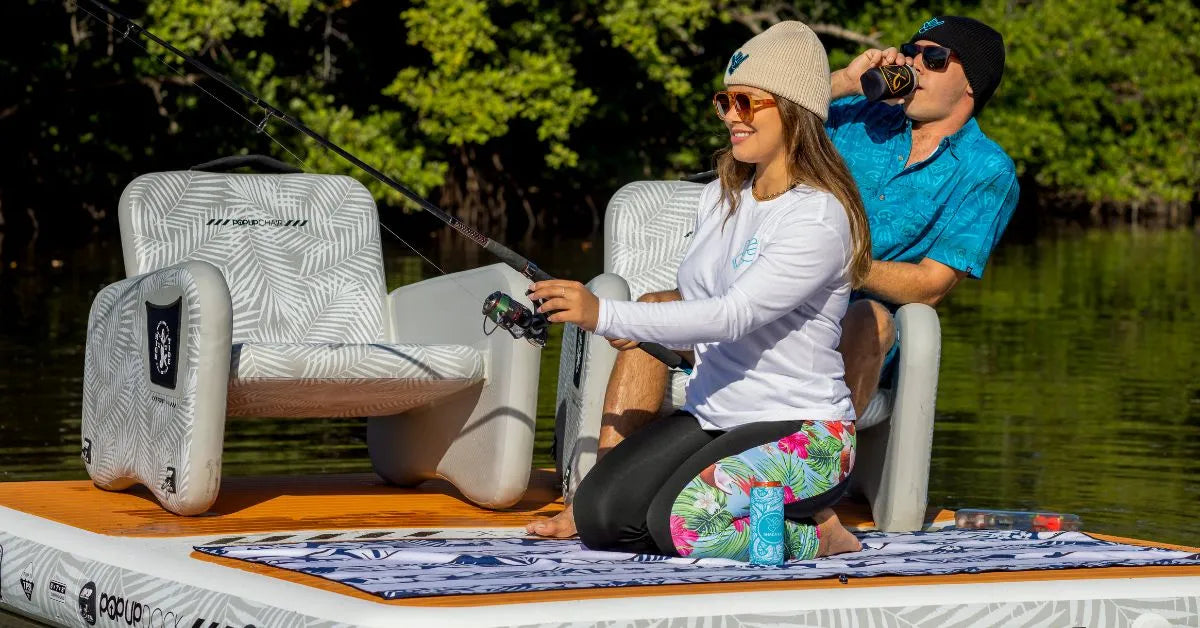
Fishing Platforms: Anglers appreciate the stability for casting, fighting fish, and organizing tackle. The elevated, dry platform keeps gear organized and accessible. Pair your inflatable dock with a paddle board for accessing remote fishing spots.

Water Sports Launch Platforms: Swimmers, snorkelers, and water sports enthusiasts use inflatable docks as rest areas, diving platforms, and gear staging zones. The POPUP AQUANET adds safety netting—perfect for families with children or for creating secure swimming areas.

Waterfront Entertainment: Transform your inflatable dock into a floating lounge, picnic area, or sunset viewing platform. The stable surface accommodates chairs, coolers, and groups of friends for memorable on-water experiences.

Inflatable Docks vs. Traditional Dock Systems: A Comparison

Understanding the trade-offs helps you make an informed decision for your specific situation.

Feature Inflatable Dock Traditional Fixed Dock
Initial Cost $800 - $3,000 $5,000 - $30,000+
Installation 15-30 minutes, no tools Professional installation, permits required
Portability Fully portable, fits in vehicle Permanent structure
Seasonal Storage Deflates to compact size Requires removal or winterization
Permits Required Generally no (check local regulations) Yes, in most jurisdictions
Adaptability Works in varying water levels Fixed height, struggles with fluctuation
Lifespan 5-10 years with proper care 15-25 years
Maintenance Minimal - cleaning, inspection Regular structural maintenance, repairs

Regional Considerations for US Waters

American waterways present diverse conditions that influence inflatable dock selection and use.

Great Lakes Region

The Great Lakes—Superior, Michigan, Huron, Erie, and Ontario—offer some of America's most spectacular boating but present unique challenges. Cold water temperatures, significant wave action, and seasonal ice require durable, UV-resistant platforms. Inflatable docks excel here because they're easily removed before winter freeze-up, avoiding ice damage that destroys fixed docks.

Popular Great Lakes destinations like Traverse City (Michigan), Door County (Wisconsin), and the Apostle Islands (Wisconsin) see heavy inflatable dock use during the short but intense summer boating season.

Coastal Waters - Atlantic, Pacific, and Gulf

Saltwater environments demand corrosion-resistant materials and thorough freshwater rinsing after each use. Tidal variations along the Atlantic and Pacific coasts make inflatable docks ideal—they rise and fall with tides without structural stress.

Gulf Coast boaters appreciate inflatable platforms for accessing shallow flats, creating stable fishing platforms in calm bays, and as yacht tenders in popular destinations like the Florida Keys, Gulf Shores (Alabama), and South Padre Island (Texas).

Pacific Coast users from San Diego to Puget Sound value the portability for exploring diverse anchorages and the stability in moderate swell conditions.

Inland Lakes and Reservoirs

America's thousands of inland lakes and reservoirs—from Lake Powell's dramatic canyons to the Ozarks' winding waterways—provide ideal inflatable dock conditions. Calmer waters, easier access, and seasonal use patterns make these locations perfect for portable platforms.

Popular destinations include Lake Tahoe (California/Nevada), Lake of the Ozarks (Missouri), Lake Mead (Nevada/Arizona), and countless smaller lakes across every state. Fluctuating reservoir levels due to drought or dam operations make inflatable docks particularly valuable—they adapt to changing water levels without modification.

Rivers and Waterways

River boaters on systems like the Mississippi, Columbia, or Colorado rivers use inflatable docks as temporary moorings, fishing platforms, and swim areas. The current-resistant design and secure anchoring options keep platforms stable even in moving water.

Setup, Inflation, and Anchoring Best Practices

Proper setup ensures safety, performance, and longevity. Follow these proven techniques for optimal results.

Inflation Process

Most quality inflatable docks reach full pressure in 10-15 minutes using an electric pump. Follow manufacturer PSI recommendations precisely—over-inflation stresses seams and materials, while under-inflation compromises stability and performance.

In hot weather, inflate to slightly lower PSI (within manufacturer range) as air expands with heat. In cooler conditions, you may need slightly higher initial pressure as air contracts.

Always inspect valves, seams, and the platform surface before inflation. Address any damage before deployment to prevent on-water failures.

Family with children sitting together on an inflatable floating dock in open ocean water

Anchoring and Mooring

Secure anchoring prevents drift and ensures safety. Use these techniques based on your location:

Multi-point anchoring: Deploy anchors at three or four corners for maximum stability. This prevents rotation and keeps the platform oriented correctly relative to wind and current.

Anchor selection: Match anchor type to bottom conditions. Fluke anchors work well in sand and mud (common in reservoirs and coastal areas). Mushroom anchors excel in soft bottoms. Grapnel anchors grip rocky bottoms found in many mountain lakes and coastal areas.

Scope ratio: Use 3:1 to 5:1 scope (anchor line length to water depth ratio) for secure holding. Deeper water or stronger currents require more scope.

Mooring to boats: When using your inflatable dock as a yacht tender or boat extension, secure it with multiple attachment points. Distribute load across several D-rings to prevent stress concentration.

Safety Considerations

Follow US Coast Guard guidelines and local regulations:

- Always wear life jackets when boarding or disembarking, especially in deep water- Supervise children closely—inflatable docks are not lifesaving devices- Check weather forecasts before deployment—high winds and storms can make platforms unsafe- Ensure adequate anchoring for conditions—wind, current, and boat traffic all create forces on your platform- Maintain awareness of boat traffic and wake zones- Follow local regulations regarding platform placement and use

Maintenance and Care for Longevity

Proper maintenance extends your inflatable dock's lifespan and ensures reliable performance season after season.

After Each Use

Freshwater rinse: Always rinse saltwater, lake minerals, and debris from the platform surface. This prevents material degradation and keeps surfaces clean.

Dry thoroughly: Before storage, ensure the platform is completely dry. Trapped moisture promotes mold, mildew, and material breakdown.

Inspect for damage: Check seams, valves, and the platform surface for punctures, abrasions, or wear. Address minor damage immediately before it worsens.

Seasonal Storage

For most US boaters, seasonal storage is essential. Follow these steps:

1. Clean and dry the platform completely2. Deflate according to manufacturer instructions3. Fold or roll loosely to avoid creasing stress points4. Store in a cool, dry location away from direct sunlight5. Avoid placing heavy objects on stored platforms6. Keep away from rodents and sharp objects

Proper off-season storage in climate-controlled spaces protects your investment during harsh winter months or extreme summer heat.

Repair and Maintenance

Minor punctures and abrasions are easily repaired with patch kits. Clean the damaged area, apply adhesive, and press the patch firmly. Allow adequate cure time before re-inflation.

For significant damage—large tears, valve failures, or seam separation—consult the manufacturer or professional repair services. Quality platforms often include warranty coverage for manufacturing defects.

Legal and Regulatory Considerations

While inflatable docks typically require fewer permits than fixed structures, regulations vary by location.

Federal Regulations

The US Coast Guard regulates navigable waters. Inflatable platforms used as temporary structures generally don't require federal permits, but permanent or semi-permanent installations may trigger review under Section 10 of the Rivers and Harbors Act.

State and Local Regulations

State DNR (Department of Natural Resources) agencies and local authorities regulate dock placement, size restrictions, and seasonal use. Requirements vary significantly:

- Some states limit platform size without permits- Coastal areas may restrict placement relative to navigation channels- Protected waters or wildlife areas may prohibit floating platforms- Homeowner associations and marina rules may impose additional restrictions

Always check with local authorities before deploying inflatable docks, especially for extended or seasonal use.

Cost Analysis and ROI

Understanding the total cost of ownership helps justify your investment.

Initial Investment

Quality inflatable docks range from $800 for compact 8-foot platforms to $3,000+ for premium 14-foot systems with accessories. This represents a fraction of traditional dock costs.

Ongoing Costs

- Pump and inflation equipment: $50-$200 (often included)- Anchors and mooring lines: $50-$150- Repair kits and maintenance supplies: $20-$50 annually- Storage (if not home-stored): $0-$200 annually

Value Delivered

Compare the $1,500-$2,500 typical investment to:

- Traditional dock installation: $10,000-$30,000- Marina slip rental: $1,000-$5,000+ annually- Boat modifications for swim platforms: $2,000-$8,000

For most recreational boaters, inflatable docks deliver exceptional value—providing functionality that rivals permanent structures at a fraction of the cost.

Frequently Asked Questions

How long do inflatable docks last?

With proper care and maintenance, quality inflatable docks last 5-10 years. UV exposure, saltwater use, and storage conditions influence lifespan. Regular cleaning, proper inflation, and off-season storage in controlled environments maximize longevity.

Can inflatable docks handle rough water conditions?

Quality inflatable docks handle moderate chop and wave action well. Their flexible design absorbs energy rather than fighting it like rigid structures. However, they're not suitable for extreme conditions—high winds, large waves, or severe storms require removal or secure mooring. Always check weather forecasts and use appropriate anchoring for conditions.

What weight capacity should I look for?

Most premium inflatable docks support 1,000-2,000+ pounds when properly inflated. The POPUP AQUADOCK and YACHTDOCK platforms easily accommodate 4-6 adults plus gear. Always verify manufacturer specifications and distribute weight evenly across the platform surface.

Do I need a special pump?

High-pressure electric pumps designed for inflatable watercraft work best. Standard air compressors or low-pressure pumps take significantly longer and may not reach required PSI. Many quality docks include appropriate pumps or recommend compatible models.

Can I leave my inflatable dock in the water all season?

Yes, with proper anchoring and regular inspection. However, extended water exposure accelerates wear. For best longevity, remove the platform during storms, when not in use for extended periods, or at season's end. UV exposure and constant water contact degrade materials faster than intermittent use with proper storage.

Are inflatable docks safe for children?

Inflatable docks provide stable platforms but are not lifesaving devices. Children should always wear Coast Guard-approved life jackets and be supervised by adults. The POPUP AQUANET with safety netting offers additional security for families. Teach children proper boarding and disembarking techniques to prevent falls.

How do inflatable docks perform in saltwater?

Quality marine-grade materials resist saltwater corrosion and degradation. However, saltwater accelerates wear compared to freshwater. Rinse platforms thoroughly with fresh water after each saltwater use, inspect regularly for damage, and store properly during off-season. Coastal boaters report excellent performance with proper maintenance.

What's the best way to transport an inflatable dock?

Deflated platforms pack into surprisingly compact bags—typically 3-4 feet long and weighing 40-80 pounds depending on size. They fit easily in vehicle trunks, boat storage compartments, or RV cargo areas. Some boaters keep platforms partially inflated on boat tops or trailers for quick deployment, though this increases wind resistance and UV exposure.

Conclusion: Elevate Your American Boating Experience

Inflatable docks represent a paradigm shift in how American boaters interact with our diverse waterways. From the Great Lakes to the Gulf Coast, from mountain reservoirs to coastal harbors, these versatile platforms deliver functionality, portability, and value that traditional structures simply can't match.

Whether you're outfitting a yacht with a premium tender platform like the POPUP YACHTDOCK, creating a stable fishing platform with the POPUP DOCK 8 X 7, or establishing a family swim area with the POPUP AQUANET, there's an inflatable solution perfectly suited to your needs.

The combination of portability, durability, and affordability makes inflatable docks an essential addition to any serious boater's equipment. As water levels fluctuate, regulations evolve, and our boating adventures take us to new destinations across America's vast waterways, inflatable platforms adapt and perform—season after season, location after location.

Explore our complete inflatable water docks collection to find the perfect platform for your boating adventures. Transform how you experience America's waters with the versatility and performance of premium inflatable dock systems.

Reading next

Vancouver Recap: The "Floating Patio" Takeover & What's Coming to Toronto
Best Inflatable Fishing Docks for US Waters 2026

Leave a comment

All comments are moderated before being published.

This site is protected by hCaptcha and the hCaptcha Privacy Policy and Terms of Service apply.