



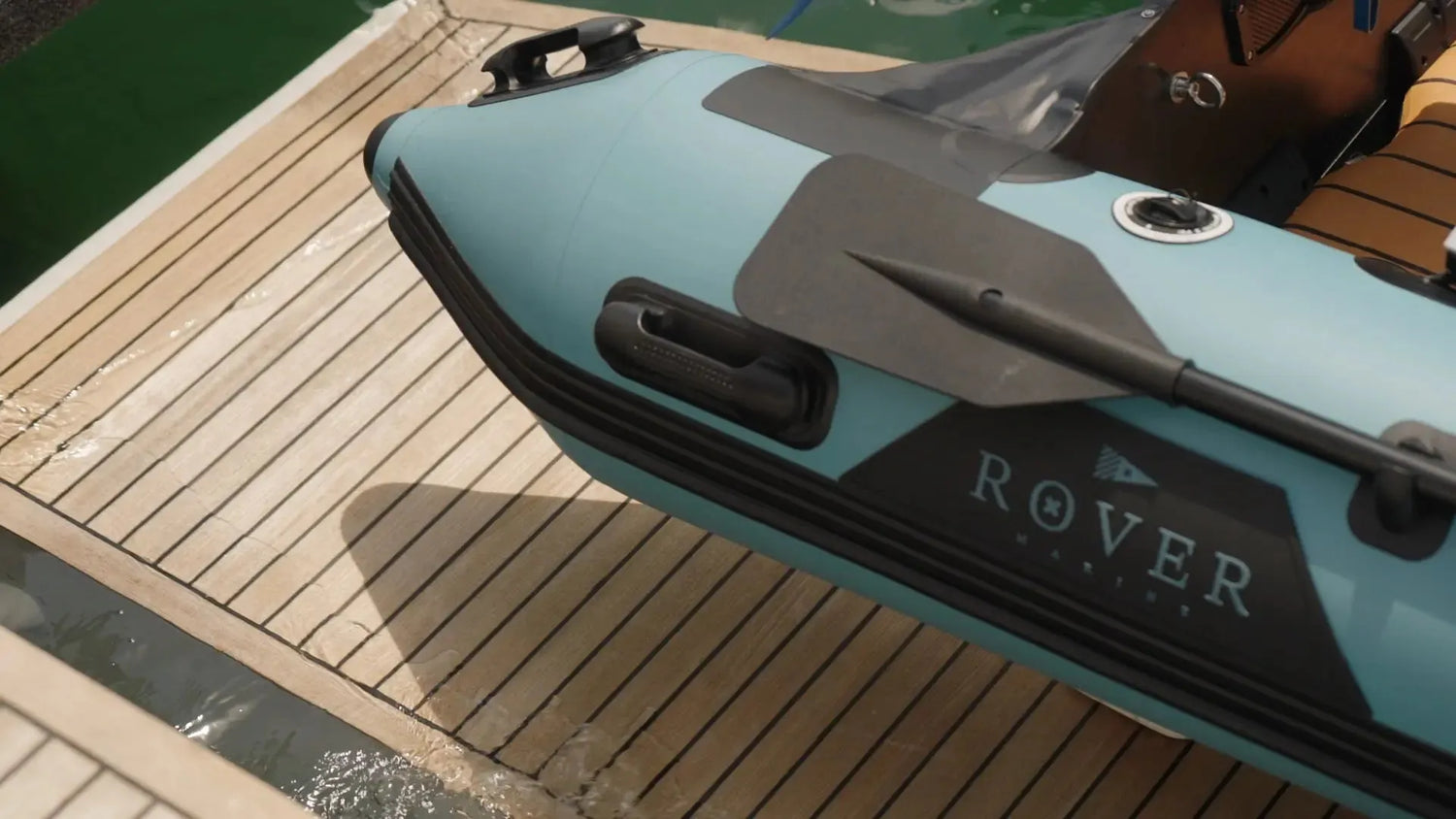
Look, most people don't think about storage until their inflatable boat starts showing problems—mold, air leaks, material degradation. By then, the damage is done. Here's the thing: how you store your inflatable boat matters just as much as how you use it.
Whether you've got a Battle Boat, Battle Cat, or any other inflatable dinghy, proper storage is what'll make it last 10+ years instead of 2-3.
Let's talk about the right way to store your inflatable boat.
Why Storage Matters
An inflatable boat is a serious investment. Proper storage protects that investment by preventing:
- UV damage that degrades PVC and Hypalon materials
- Mold and mildew from trapped moisture
- Seam separation from temperature extremes
- Valve damage from improper positioning
- Rodent or pest damage
- Material brittleness from freezing temps
- Permanent creases that weaken the fabric
Do it right, and your boat will give you a decade or more of reliable service. Do it wrong, and you'll be shopping for a replacement way sooner than you should.
Step 1: Clean Your Boat Thoroughly
Never—and I mean never—store a dirty boat.
The Right Cleaning Process
- Rinse with fresh water: Remove all salt, sand, dirt, and debris
- Use mild soap: Dish soap works fine for stubborn grime
- Scrub gently: Soft brush or sponge, nothing abrasive
- Pay attention to seams: Dirt and salt hide there
- Clean the floor: Both top and bottom surfaces
- Don't forget the transom: Remove any motor residue
- Rinse again thoroughly: No soap residue left behind
This is especially critical if you've been in salt water. Salt crystals are abrasive and will degrade your boat's material over time if left on.
Step 2: Dry It Completely
This is where most people screw up. Any moisture = mold, mildew, and material breakdown.
Proper Drying
- Inflate the boat fully: Makes drying easier and more thorough
- Wipe down with towels: Get the bulk of water off
- Let it air dry in the shade: Direct sun can cause UV damage
- Flip it over: Dry the bottom completely
- Open all valves: Let moisture escape from inside chambers
- Check seams and crevices: Water hides there
- Use a fan if needed: Speeds up drying in humid climates
How long? At least several hours, preferably overnight. In humid areas like the Gulf Coast or Southeast, give it extra time or use fans.
Step 3: Deflate Properly
There's a right way and a wrong way to deflate your boat.
The Right Way
- Open valves completely: Let air escape naturally first
- Roll from the bow: Push air toward the valves at the stern
- Don't force it: Let air out gradually
- Fold loosely: Avoid sharp, tight creases
- Vary your fold pattern: Don't crease the same spots every time
- Remove the floor: If it's a rigid floor, take it out and store separately
The Wrong Way
- Kneeling or standing on it to force air out (damages material)
- Creating sharp, tight folds (weakens fabric and seams)
- Folding the same way every time (permanent weak spots)
- Stuffing it wet into the bag (guaranteed mold)
Storage Options: What Works Best
Option 1: Rolled and Bagged (Most Common)
Best for: Limited space, seasonal storage, transport
How to do it:
- Deflate completely and dry
- Roll loosely from bow to stern
- Secure with straps (not too tight)
- Place in carry bag or cover
- Store in cool, dry place
Pros:
- Compact storage
- Easy to transport
- Protects from dust and pests
Cons:
- Can create creases over time
- Need to be careful about moisture
Option 2: Partially Inflated (Best for Longevity)
Best for: If you have space, off-season storage
How to do it:
- Clean and dry thoroughly
- Inflate to about 30-40% pressure
- Store flat or hanging
- Keep in climate-controlled space
Pros:
- No creases or folds
- Maintains material integrity
- Easy to inspect for damage
- Ready to use more quickly
Cons:
- Takes up significant space
- Not practical for everyone
This is the absolute best way to store your Battle Boat or Battle Cat if you have the room.
Option 3: Hanging (Good Compromise)
Best for: Garage or shed storage
How to do it:
- Deflate partially or fully
- Hang from D-rings or handles
- Keep off the ground
- Ensure good air circulation
Pros:
- Saves floor space
- Good air circulation
- Prevents rodent damage
- Easy access
Where to Store: Location Matters
Good Storage Locations
Climate-controlled garage or basement:
- Stable temperature year-round
- Protected from elements
- Easy access when needed
Indoor storage room:
- Ideal temperature control
- No UV exposure
- Protected from pests
Covered boat storage facility:
- Professional climate control
- Security
- Proper ventilation
Bad Storage Locations
Avoid these:
- Outdoor sheds without climate control: Temperature extremes damage materials
- Attics: Too hot in summer (PVC and Hypalon degrade in heat)
- Damp basements: Moisture = mold and mildew
- Direct sunlight: UV damage even when stored
- Near heat sources: Furnaces, water heaters, etc.
- Freezing temperatures: PVC gets brittle and can crack
- On concrete floors: Can absorb moisture—use pallets or tarps
Regional Storage Considerations for US Boaters
Coastal Areas (Atlantic, Pacific, Gulf)
- Salt exposure means extra thorough rinsing before storage
- UV damage is more severe—store indoors
- Humidity requires extra drying time
- Check for corrosion on hardware before storing
Great Lakes Region
- Seasonal use means proper winter storage is critical
- Don't store in unheated spaces (freezing temps)
- Bring inside before first freeze
- Check mid-winter for any moisture buildup
Hot Climates (Southwest, Florida, Southern California)
- UV damage is your biggest enemy
- Never store in hot attics or sheds
- Climate-controlled space essential
- Year-round use means less long-term storage needed
Cold Climates (Northeast, Mountain States)
- Freezing temps will damage your boat
- Must store in heated space
- Longer storage season (6+ months)
- Extra care needed for extended storage
Humid Climates (Southeast, Gulf Coast)
- Moisture is the main concern
- Extra drying time essential
- Use dehumidifiers in storage area
- Check regularly for mold
Don't Forget Your Accessories
Your motor, pump, oars, and other gear need proper storage too.
Outboard Motor
- Flush with fresh water
- Drain fuel or add stabilizer
- Change oil if needed
- Store upright or as manufacturer recommends
- Protect from freezing temps
Pump
Your pump needs care:
- Rinse if it got wet or sandy
- Dry completely
- Check hose for cracks
- Store in bag with boat or separately
Oars and Paddles
- Rinse and dry
- Check for cracks or damage
- Store flat or hanging
- Keep out of direct sun
Life Jackets and Safety Gear
- Clean and dry thoroughly
- Check for damage or wear
- Store in dry location
- Don't compress tightly (damages flotation)
Pre-Storage Inspection and Maintenance
Before putting your boat away for the season:
- Inflate fully and check for leaks: Use soapy water to find slow leaks
- Inspect all seams: Look for separation, bubbling, or wear
- Check valves: Make sure they're working properly
- Look for punctures or abrasions: Repair before storing
- Examine the transom: Check for cracks or damage
- Test the floor: Make sure it's still rigid when inflated
- Check D-rings and attachments: Ensure they're secure
Fix any issues now. Don't store a damaged boat and hope it'll be fine in spring.
Common Storage Mistakes to Avoid
- Storing wet: Guaranteed mold and material breakdown
- Tight folding: Creates permanent creases and weak spots
- Same fold pattern every time: Weakens specific areas
- Extreme temperatures: Degrades PVC and Hypalon
- Direct sunlight: UV damage even when not in use
- Freezing temps: Makes material brittle
- Near chemicals: Gas, solvents, cleaners damage materials
- Ignoring small damage: Small problems become big ones in storage
- Skipping cleaning: Salt and dirt accelerate degradation
Getting Your Boat Out of Storage
When it's time to use your boat again:
- Inspect before inflating: Check for any storage damage
- Let it warm up: If stored in cold, let it reach room temp first
- Inflate and check pressure: Make sure all chambers hold air
- Check seams and valves: Ensure everything's working
- Test in shallow water first: Make sure everything's good before heading out
- Re-install floor and accessories: Make sure everything fits properly
The Bottom Line
Proper storage isn't complicated, but it matters:
- Clean it thoroughly: Remove all salt, dirt, and debris
- Dry it completely: No moisture = no mold
- Store it right: Cool, dry, climate-controlled space
- Avoid creases: Vary fold patterns or store partially inflated
- Check periodically: Catch problems early
- Protect from extremes: No freezing, no excessive heat, no UV
Do this consistently, and your Battle Boat or Battle Cat will give you a decade or more of reliable service on the water. Skip these steps, and you'll be shopping for a replacement way sooner than you should.
Your inflatable boat is an investment. Treat it like one, especially when it's not in use. The hour you spend properly storing it will save you thousands down the road.


Leave a comment
All comments are moderated before being published.
This site is protected by hCaptcha and the hCaptcha Privacy Policy and Terms of Service apply.