


Shopping for an inflatable dinghy? You're probably overwhelmed by options, specs, and prices that range from a few hundred to several thousand dollars. Here's the thing: choosing the right one doesn't have to be complicated if you know what actually matters.
Let's cut through the marketing noise and talk about how to pick an inflatable dinghy that'll work for your specific needs on US waters.
Start With How You'll Actually Use It
Before you even look at specs, be honest about what you're really going to do with this thing.
Yacht Tender
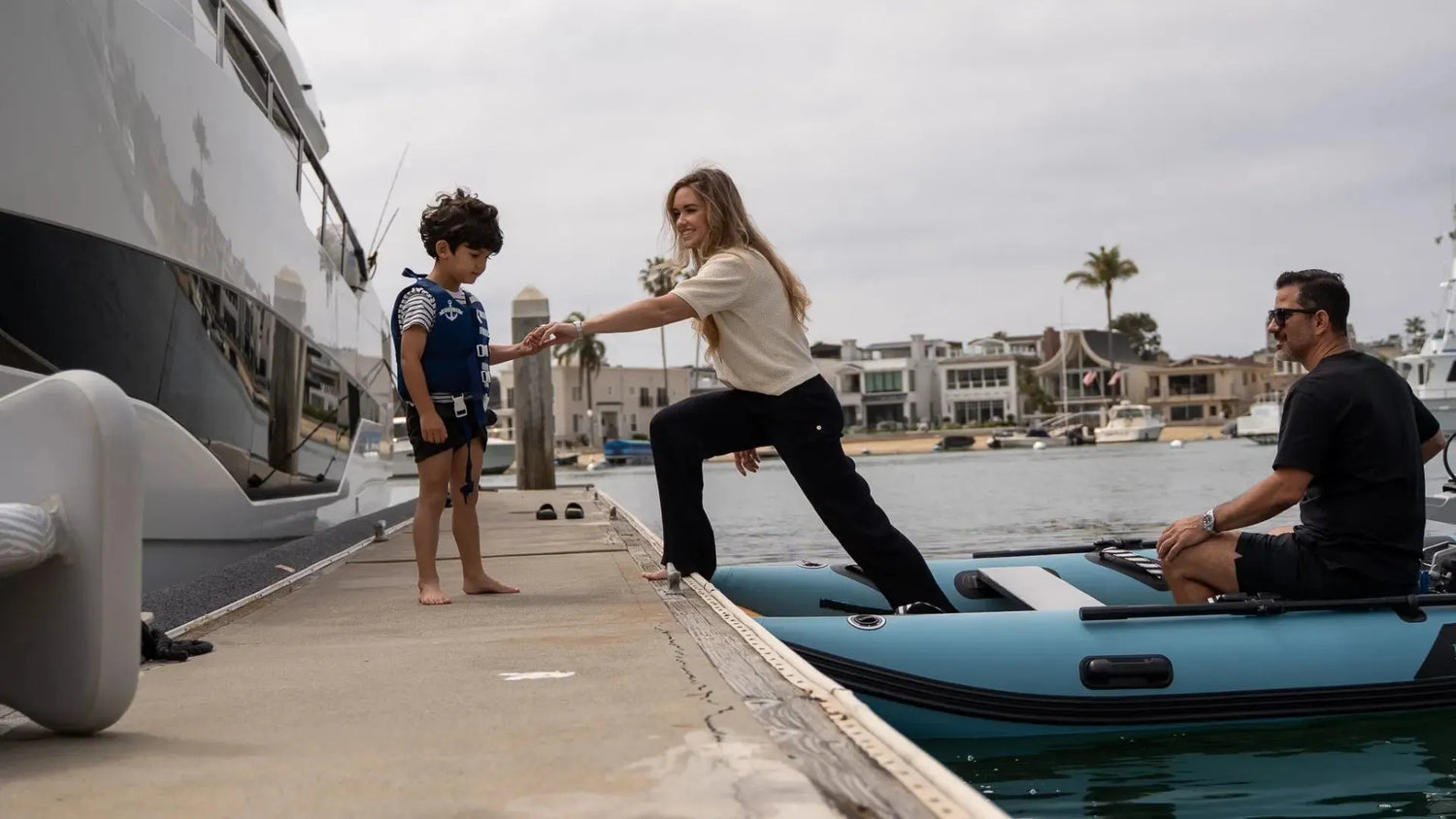
If you're using it to get from your boat to shore:
- You need something light enough to hoist on davits
- Compact when deflated for easy storage
- Stable enough to carry passengers and groceries
- Durable enough for regular use
The Battle Boat is popular for tender duty—big enough to be useful, small enough to store easily.
Fishing Platform
Planning to fish from it?
- Rigid floor is non-negotiable (you need to stand)
- Wider beam for stability when casting
- Room for gear, coolers, and a buddy
- Quiet operation (electric trolling motor or oars)
Beach and Exploration
Just want to cruise around and explore?
- Lighter weight for easier launching
- Good rowing characteristics
- Soft bottom won't scratch on sand
- Versatile enough for different activities
Diving and Snorkeling
Using it as a dive platform?
- Low sides for easy entry/exit
- Stable platform for gearing up
- Room for tanks and equipment
- Bright colors for visibility
Size Matters (But Bigger Isn't Always Better)
Here's the reality: the "right" size depends on your actual use, not what sounds impressive.
8-10 Feet: The Sweet Spot for Most People
Good for:
- Solo to 2-3 people
- Yacht tender duty
- Easy to store and transport
- Manageable to inflate/deflate
- Works with smaller motors (2-5 HP)
Limitations:
- Gets crowded with more than 3 adults
- Limited gear capacity
- Can be bouncy in chop
10-12 Feet: Family Size
Good for:
- Families with kids
- 4-5 people comfortably
- More gear capacity
- Better in moderate chop
- Can handle 5-10 HP motors
Limitations:
- Heavier to move around
- Takes longer to inflate
- Needs more storage space
The Battle Cat catamaran design offers extra stability in this size range.
12+ Feet: Serious Use
Good for:
- Commercial applications
- Large groups (6+ people)
- Extended trips
- Rough water capability
Limitations:
- Heavy and bulky
- Expensive
- Requires serious motor (10-15 HP)
- Not practical for casual use
Floor Type: This Is Huge
The floor makes or breaks an inflatable dinghy. Don't compromise here.
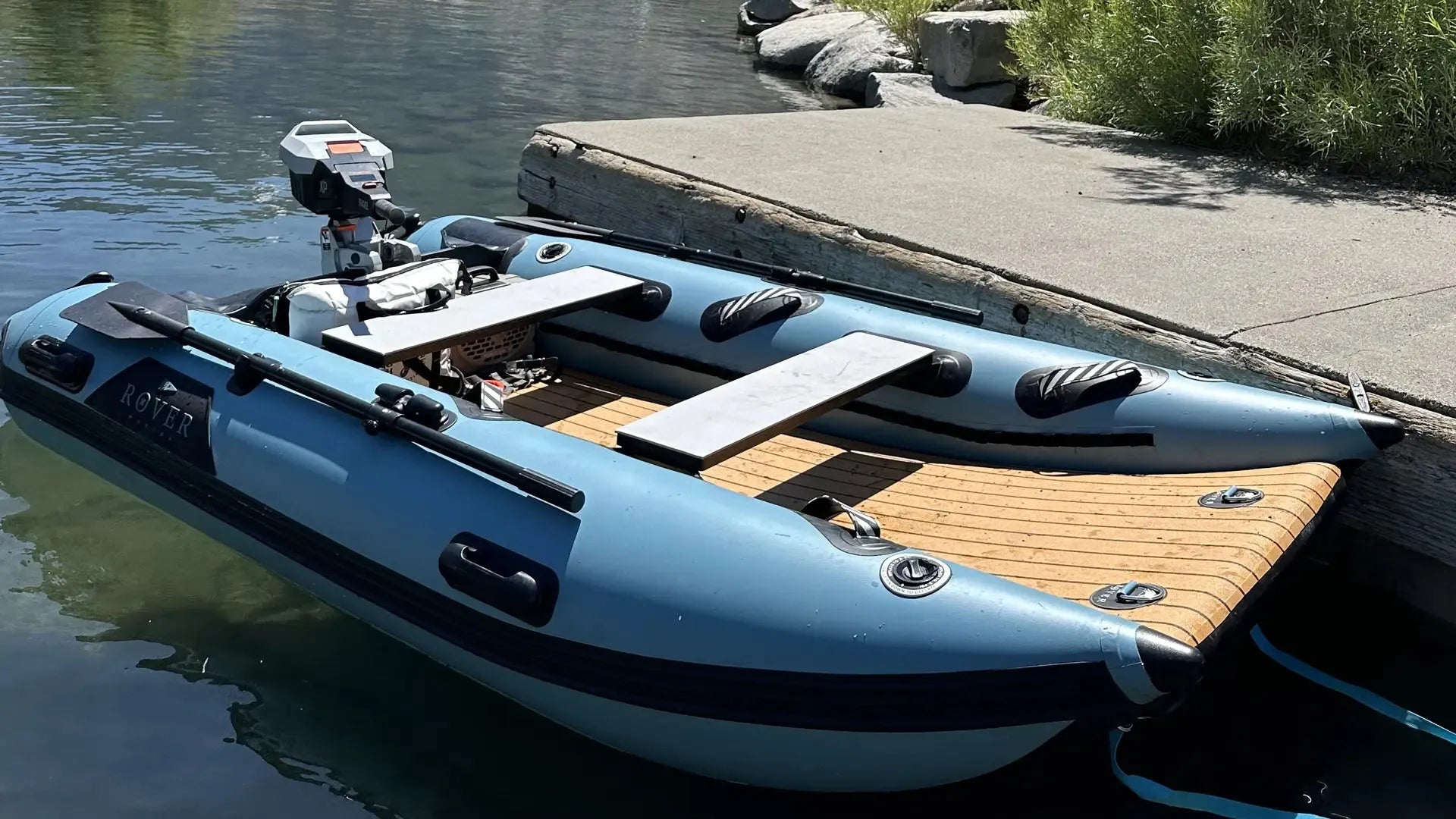
Rigid Floors (Best Option)
Two types:
High-pressure air floors:
- Inflate to 8-10 PSI
- Rigid like a board when inflated
- Lighter than hard floors
- More compact when deflated
- Slightly less rigid than hard floors
Aluminum or plywood floors:
- Actual rigid panels
- Maximum rigidity
- Best for standing/fishing
- Heavier
- More setup time
Bottom line: If you're going to stand up, fish, or use a motor, get a rigid floor. Period.
Soft Floors (Budget Option)
Only consider these if:
- You're on a tight budget
- Only using in calm water
- Not planning to stand or use a motor
- Portability is your top priority
They're fine for casual pool use or calm lake paddling, but that's about it.
Material: PVC vs. Hypalon
PVC (Most Common)
Pros:
- Affordable
- Easy to repair
- Good durability for the price
- Widely available
Cons:
- Degrades faster in intense UV (Florida, California sun)
- Can get stiff in cold water
- 5-10 year lifespan typically
Best for: Most recreational users, especially in northern climates or freshwater.
Hypalon/CSM (Premium)
Pros:
- Superior UV resistance
- Excellent abrasion resistance
- Handles temperature extremes better
- 15-20 year lifespan
Cons:
- Significantly more expensive
- Harder to repair (needs special adhesive)
- Heavier
Best for: Serious boaters, harsh conditions (lots of sun, salt water, rough use).
Construction Quality Checklist
Look for these features:
Seams
- Welded seams: Heat or RF welded (best option)
- Glued seams: Cheaper, less durable, can separate over time
Don't buy a dinghy with only glued seams unless it's a budget temporary solution.
Tube Diameter
- Larger tubes = more stable but slower
- Smaller tubes = faster but less stable
- 16-20 inches is the sweet spot for most uses
Transom
If you're using a motor:
- Rigid transom is essential
- Check the motor weight rating
- Look for reinforced mounting area
- Make sure it's properly integrated, not an afterthought
Valves
- Quality valves are crucial (cheap ones leak)
- Look for standard sizes (easier to replace)
- Multiple chambers for safety
- Easy to access and operate
Regional Considerations for US Waters
Saltwater (Coasts)
Atlantic, Pacific, Gulf Coast:
- Hypalon is worth the investment if you can afford it
- Rinse thoroughly after every use
- UV protection is critical
- Stainless steel or marine-grade hardware only
- Check local regulations for required equipment
Freshwater (Lakes and Rivers)
Great Lakes, inland lakes:
- PVC holds up fine
- Less corrosion issues
- Watch for sharp rocks and zebra mussels (Great Lakes)
- Easier maintenance overall
Climate Zones
Hot climates (Florida, Southwest, Southern California):
- UV resistance is critical
- Lighter colors stay cooler
- Store out of sun when possible
- Check air pressure more often (heat = expansion)
Cold climates (Northeast, Pacific Northwest, Alaska):
- Materials that stay flexible in cold
- Proper winter storage essential
- Shorter season = less wear
Motor Considerations
Size
- Match to your dinghy's rating (don't overpower)
- 2-5 HP for 8-10 foot dinghies
- 5-10 HP for 10-12 foot dinghies
- 10-15 HP for 12+ foot dinghies
Type
2-stroke:
- Lighter
- More power for the weight
- Louder, more emissions
- Cheaper
4-stroke:
- Quieter
- Better fuel economy
- Cleaner emissions
- Heavier, more expensive
Electric:
- Silent operation
- Great for fishing
- Limited range/power
- Perfect for calm water, short trips
Budget Reality Check
Under $1000
- Expect PVC construction
- Likely glued seams
- Soft or basic air floor
- 3-5 year lifespan with care
- Fine for occasional use
$1000-$2500
- Quality PVC with welded seams
- Rigid floor (air or hard)
- Good all-around performance
- 5-10 year lifespan
- Sweet spot for most people
$2500+
- Hypalon construction
- Professional-grade features
- Maximum durability
- 15-20+ year lifespan
- Worth it for serious use
What to Avoid
Red flags when shopping:
- No brand reputation: Stick with known manufacturers
- Suspiciously low prices: Quality costs money
- No warranty: Good manufacturers stand behind their products
- Vague material specs: "Heavy-duty PVC" means nothing without details
- Single air chamber: Unsafe—you need multiple chambers
- Poor reviews: Listen to actual users
The Bottom Line
Choosing the right inflatable dinghy comes down to matching your actual needs with the right features:
- Define your use: Tender, fishing, exploring, diving?
- Pick the right size: Bigger isn't always better
- Get a rigid floor: Unless you're only using it casually in calm water
- Choose materials wisely: PVC for most, Hypalon for harsh conditions
- Check construction quality: Welded seams, quality valves, proper transom
- Consider your region: Salt vs. fresh, hot vs. cold
- Match the motor: Don't overpower or underpower
- Set a realistic budget: Quality costs, but lasts
Whether you go with something like the Battle Boat for tender duty or the Battle Cat for extra stability, make sure it fits your actual needs, not just what sounds cool.
Take your time, do your research, and buy once. A quality inflatable dinghy that matches your needs will give you years of reliable service on the water.


Leave a comment
All comments are moderated before being published.
This site is protected by hCaptcha and the hCaptcha Privacy Policy and Terms of Service apply.