


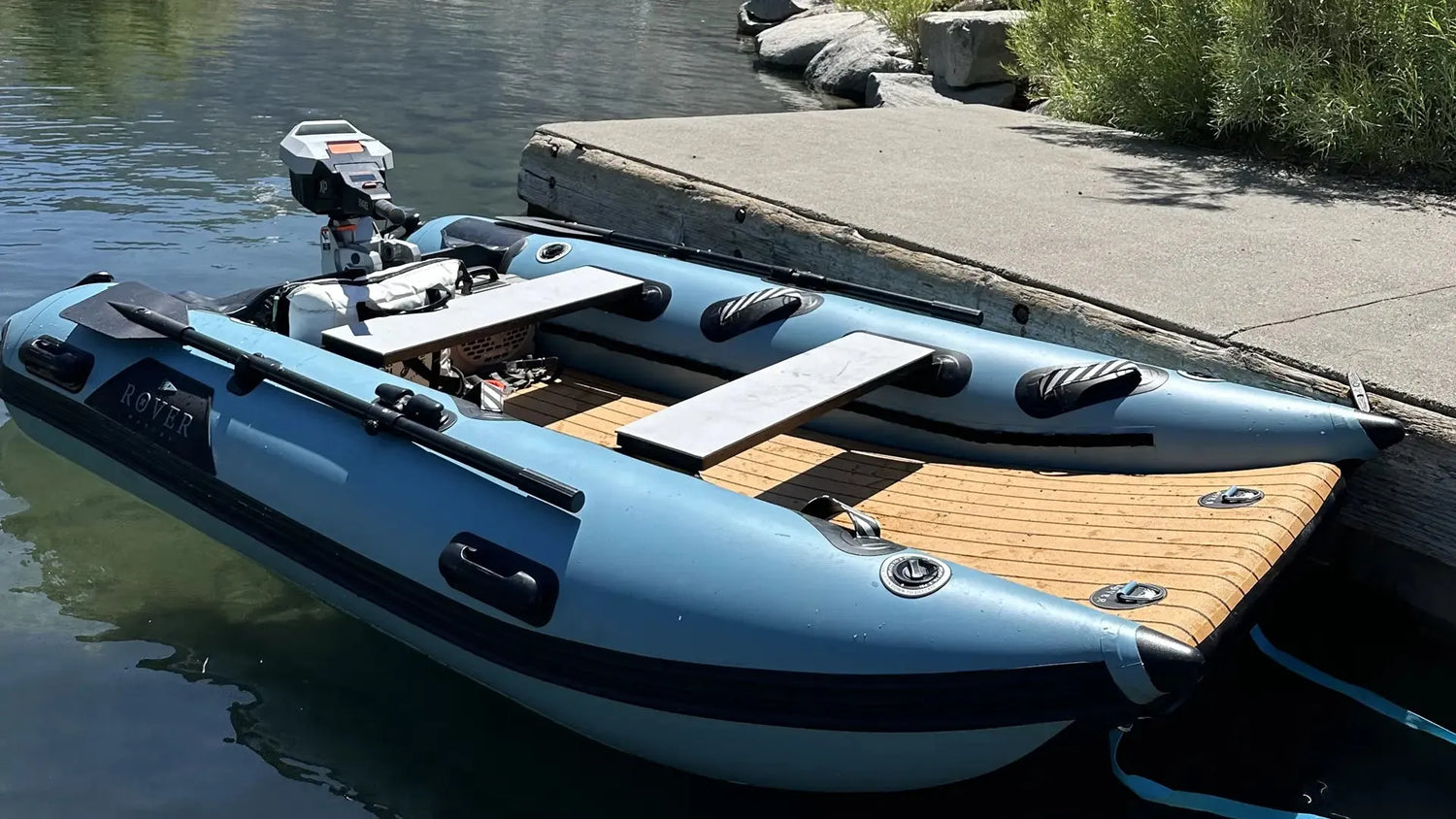
If you're shopping for an inflatable dinghy, you've probably noticed there's a huge range in prices—from a few hundred bucks to several thousand. What gives? The difference comes down to construction, materials, and how the thing actually performs when you're using it day in and day out on US waters.
Let's cut through the marketing BS and talk about what actually matters when you're choosing an inflatable dinghy.
Why Inflatable Dinghies Make Sense
Before we dive into the technical stuff, let's talk about why you'd even want an inflatable dinghy over a rigid one.
The Real Advantages
- Storage: Deflates to fit in a locker, garage, or car trunk—try that with a hard dinghy
- Weight: Light enough to carry solo, easy to load on davits or a roof rack
- Towing: Won't beat up your yacht's hull like a hard tender
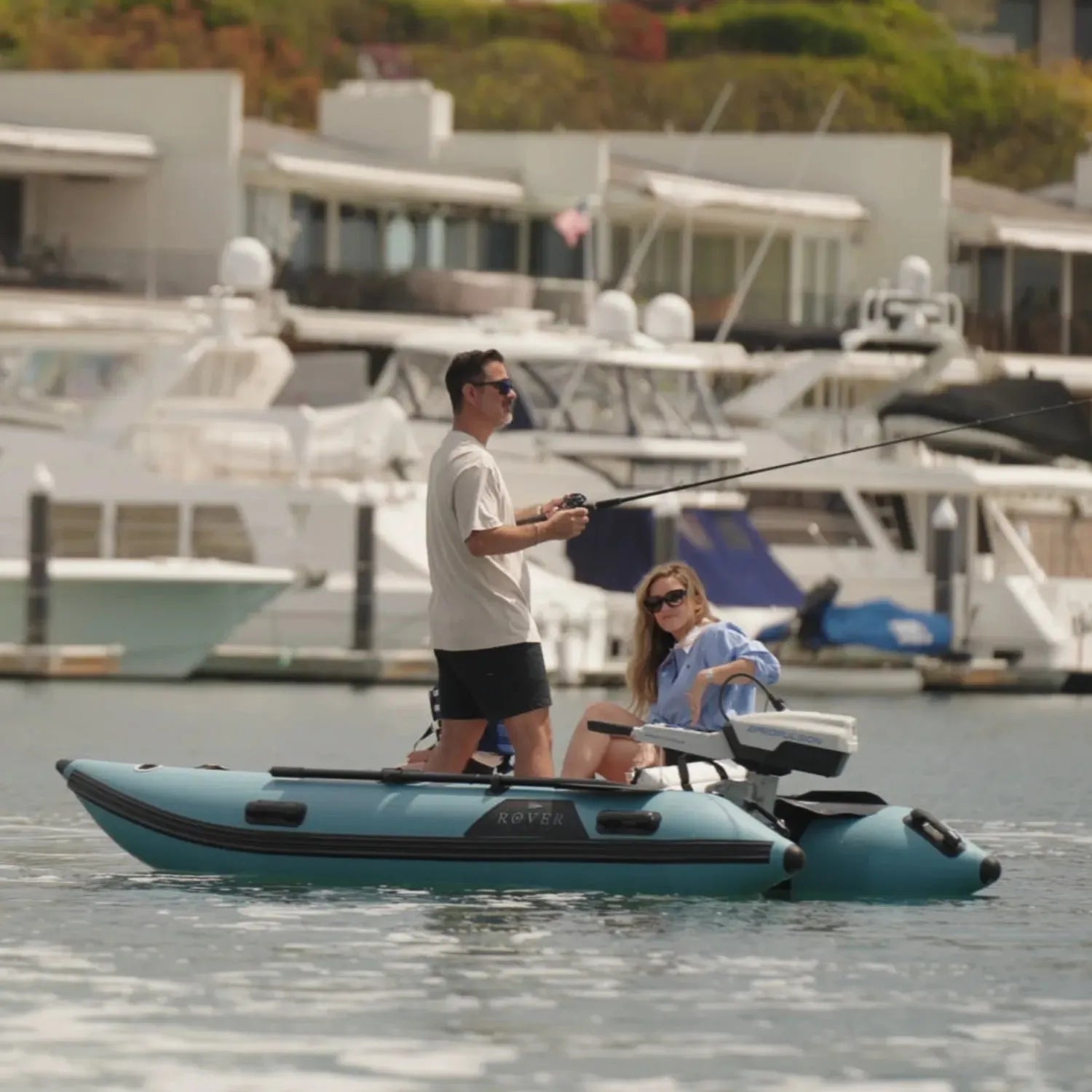
- Versatility: Works as a tender, fishing platform, or beach boat
- Cost: Generally cheaper than comparable rigid dinghies
- Durability: Modern materials are tough as hell—we're not talking pool toys here
Where They Excel
Inflatable dinghies are perfect for:
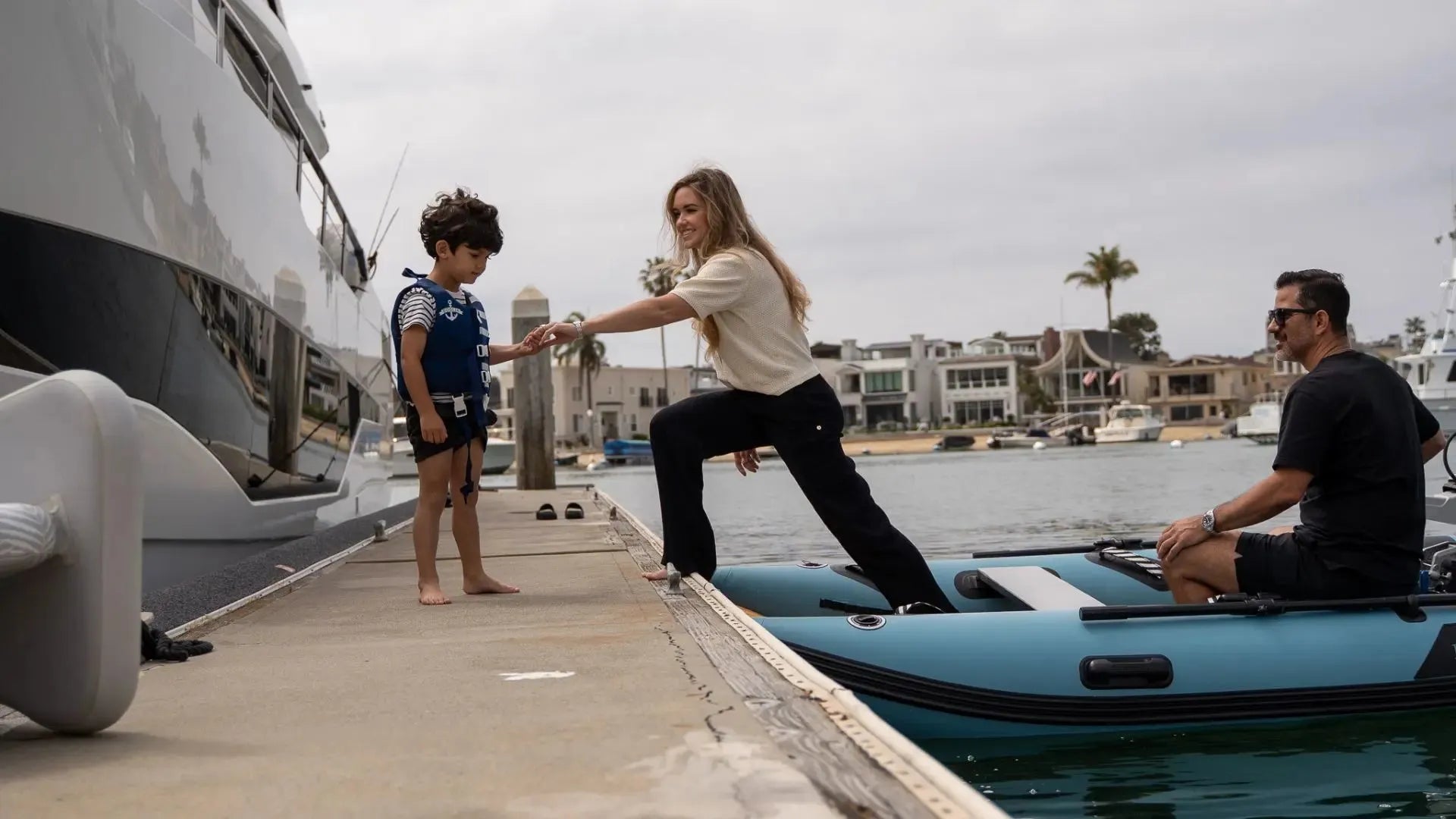
- Yacht tenders for getting to shore from anchorage
- Fishing in shallow water or calm bays
- Beach landings (they won't scratch up on sand)
- Exploring coves and harbors
- Emergency backup boat
- Casual cruising on lakes and protected waters
Construction Methods: How They're Built
This is where things get interesting. Not all inflatable dinghies are built the same way, and the construction method makes a massive difference in performance and longevity.
Tube Construction
The inflatable tubes (pontoons) are the heart of any dinghy. Here's how they're made:
Welded Seams (The Gold Standard)
High-quality dinghies use heat-welded or RF-welded seams. The material is literally fused together at a molecular level. This creates seams that are:
- Stronger than the material itself
- Completely airtight
- Resistant to peeling or separation
- Long-lasting even with heavy use
If you're serious about your dinghy, welded seams are non-negotiable.
Glued Seams (Budget Option)
Cheaper dinghies use adhesive to join the material. The problem? Glue can:
- Degrade over time, especially in UV and salt water
- Separate under stress or temperature changes
- Require regular maintenance and re-gluing
- Fail at the worst possible moment
Glued seams aren't necessarily bad for light recreational use, but they won't hold up to serious boating.
Floor Construction
The floor is just as important as the tubes. Here are your options:
Rigid Floors (High-Pressure Air or Aluminum)
The best inflatable dinghies have rigid floors that create a solid platform. Two main types:
- High-pressure air floors: Drop-stitch construction creates a rigid surface when inflated to 8-10 PSI. Light, portable, and surprisingly solid
- Aluminum or plywood floors: Actual rigid panels that assemble inside the dinghy. Heavier but extremely stable
Rigid floors let you stand up, move around, and even mount a small outboard without the floor flexing.
Soft Floors (Inflatable)
Budget dinghies often have soft inflatable floors. They're:
- Lighter and more compact when deflated
- Cheaper to manufacture
- Fine for calm water and light use
- Sketchy when you're trying to stand or move around
- Not great for mounting motors
Transom Design
If you're planning to use a motor (and you probably are), the transom matters.
- Integrated transoms: Built into the dinghy's structure, usually inflatable or semi-rigid
- Rigid transoms: Solid plywood or composite material that can handle real outboard motors
- Reinforced mounting: Look for extra layers and reinforcement where the motor mounts
A quality transom can handle 5-15 HP motors depending on the dinghy size. Cheap transoms will flex, vibrate, or even tear under motor stress.
Materials: What They're Made From
The material determines how your dinghy handles sun, salt, abrasion, and everything else the water throws at it.
PVC (Most Common)
PVC is the standard material for most inflatable dinghies. But not all PVC is created equal.
What to look for:
- Denier rating: 1000+ denier for serious use (higher = thicker and tougher)
- Multiple layers: Quality dinghies use 3-5 layers of PVC with reinforcing fabric
- UV resistance: Treated to resist sun damage and fading
- Chemical resistance: Handles gas, oil, and marine chemicals without degrading
Pros:
- Affordable
- Easy to repair
- Good all-around performance
- Widely available
Cons:
- Can degrade in extreme UV (think Florida or Southern California sun)
- Not as abrasion-resistant as some alternatives
- Can get stiff in cold water
Hypalon/CSM (Premium Option)
Hypalon (now called CSM since DuPont stopped making the original) is the premium choice for serious boaters.
Why it's better:
- Superior UV resistance—won't fade or crack in intense sun
- Excellent abrasion resistance
- Handles extreme temperatures better
- Longer lifespan (15-20 years vs. 5-10 for PVC)
- Better chemical resistance
The catch:
- Significantly more expensive
- Harder to repair (requires special adhesives)
- Heavier than PVC
If you're in harsh conditions—lots of sun, rough use, salt water—Hypalon is worth the investment.
Reinforcement Fabrics
The fabric layer between PVC or Hypalon layers adds strength:
- Polyester: Standard reinforcement, good strength-to-weight ratio
- Nylon: Lighter but can stretch more
- Kevlar: Premium option, extremely strong and puncture-resistant
Performance Factors
Construction and materials are great, but how does the dinghy actually perform on the water?
Stability
Tube diameter and floor design determine stability:
- Larger diameter tubes: More stable but slower and harder to row
- Wider beam: More stable platform, better for fishing or diving
- Rigid floors: Way more stable than soft floors
If you're using it as a fishing platform or dive boat, prioritize stability. If it's mainly for quick shore runs, you can sacrifice some stability for speed.
Speed and Handling
Want to get somewhere fast? Look for:
- Rigid or high-pressure floors: Less flex = more efficient power transfer
- V-shaped hull design: Cuts through water better than flat bottoms
- Proper weight distribution: Balanced design that doesn't nose up or squat
- Adequate motor capacity: Underpowered dinghies are frustrating
A well-designed dinghy with a 5-10 HP motor can plane and hit 15-20 mph. That's plenty for most tender duties.
Load Capacity
Don't just look at the maximum capacity—think about real-world use:
- How many people will you typically carry?
- What about gear, coolers, dive equipment?
- Do you need to haul supplies or fuel?
A dinghy rated for 4 people might be cramped with 4 adults plus gear. Go bigger than you think you need.
Rowing Performance
Even if you have a motor, you'll row sometimes (dead battery, shallow water, quiet approach).
Good rowing dinghies have:
- Proper oarlock positions
- Balanced hull shape
- Not-too-wide beam (wider = harder to row)
- Rigid floor for better power transfer
Regional Considerations for US Waters
Saltwater Environments (Coasts)
If you're on the Atlantic, Pacific, or Gulf Coast:
- Material choice matters: Hypalon holds up better to salt and sun
- Rinse religiously: Salt will corrode fittings and degrade materials
- UV protection: Coastal sun is brutal—use covers when not in use
- Corrosion-resistant hardware: Stainless steel or marine-grade aluminum only
Freshwater (Lakes and Rivers)
Great Lakes, inland lakes, and rivers are easier on dinghies:
- PVC holds up fine without the salt exposure
- Less UV damage in northern climates
- Watch for sharp rocks and zebra mussels (Great Lakes)
- Easier to maintain overall
Climate Zones
Hot climates (Florida, Gulf Coast, Southwest):
- UV resistance is critical
- Lighter colors stay cooler
- Store out of direct sun when possible
- Check air pressure more often (heat causes expansion)
Cold climates (Northeast, Pacific Northwest, Alaska):
- Materials that stay flexible in cold water
- Proper storage during winter months
- Shorter season means less wear overall
What to Look for When Buying
Here's your checklist for evaluating an inflatable dinghy:
Construction Quality
- Welded seams (not glued)
- Rigid or high-pressure air floor
- Solid transom if using a motor
- Multiple air chambers for safety
- Reinforced wear patches on bottom and tubes
Materials
- 1000+ denier PVC minimum (or Hypalon for premium)
- UV-resistant coating
- Quality reinforcement fabric
- Marine-grade fittings and hardware
Features
- D-rings for towing and securing gear
- Grab lines around the perimeter
- Drain plug for easy water removal
- Oarlocks and oars included
- Repair kit and pump included
- Carry bag for storage and transport
Size and Capacity
- Length: 8-12 feet is the sweet spot for most uses
- Capacity: Plan for real-world loads, not just people
- Motor rating: Match to your intended use
Maintenance and Care
Even the best dinghy needs proper care to last.
After Every Use
- Rinse with fresh water (especially after salt water)
- Wipe down to remove sand, dirt, and debris
- Check for damage or wear
- Let it dry before storing if possible
Regular Maintenance
- Check air pressure before each use
- Inspect seams, valves, and fittings
- Clean with mild soap and water periodically
- Protect from UV when not in use (cover or store inside)
- Lubricate valves occasionally
Long-Term Storage
- Clean and dry thoroughly
- Partially inflate (don't store completely deflated—causes creases)
- Store in cool, dry place away from sunlight
- Keep away from chemicals, solvents, and sharp objects
- Check periodically during off-season
Common Problems and Solutions
Slow Leaks
- Usually valve-related—tighten or replace valve cores
- Check seams with soapy water to find leaks
- Small punctures are easy to patch with repair kits
Material Degradation
- UV damage: Use protectant sprays and covers
- Abrasion: Add wear patches to high-contact areas
- Chemical damage: Rinse spills immediately, avoid harsh cleaners
Floor Issues
- Soft floors losing pressure: Check for leaks in air chambers
- Rigid floors warping: Store flat or properly supported
- Floor separating from tubes: Professional repair needed
Real Talk: What to Expect
Let's set realistic expectations:
Budget Dinghies ($300-$800)
- Fine for occasional use on calm water
- Expect 3-5 years of life with good care
- Glued seams and soft floors are common
- Good for learning if you're new to boating
Mid-Range Dinghies ($800-$2000)
- Welded seams and rigid floors
- Quality PVC construction
- 5-10 years of regular use
- Good all-around performance
- Sweet spot for most recreational boaters
Premium Dinghies ($2000+)
- Hypalon construction
- Professional-grade features
- 15-20+ years of life
- Best performance and durability
- Worth it if you use it constantly or in harsh conditions
The Bottom Line
A quality inflatable dinghy comes down to three things: construction, materials, and how well it matches your actual needs.
Don't cheap out on construction—welded seams and rigid floors are worth the extra money. Choose materials based on your environment (PVC for most uses, Hypalon for harsh conditions). And be honest about how you'll actually use it.
Whether you need a yacht tender for cruising the coast, a fishing platform for calm bays, or a versatile boat for lake adventures, there's an inflatable dinghy that fits. Just make sure it's built to last and suited to US waters where you'll be using it.
Check out options like the Battle Boat or Battle Cat if you're looking for quality inflatable boats built to handle real use.

Leave a comment
All comments are moderated before being published.
This site is protected by hCaptcha and the hCaptcha Privacy Policy and Terms of Service apply.