

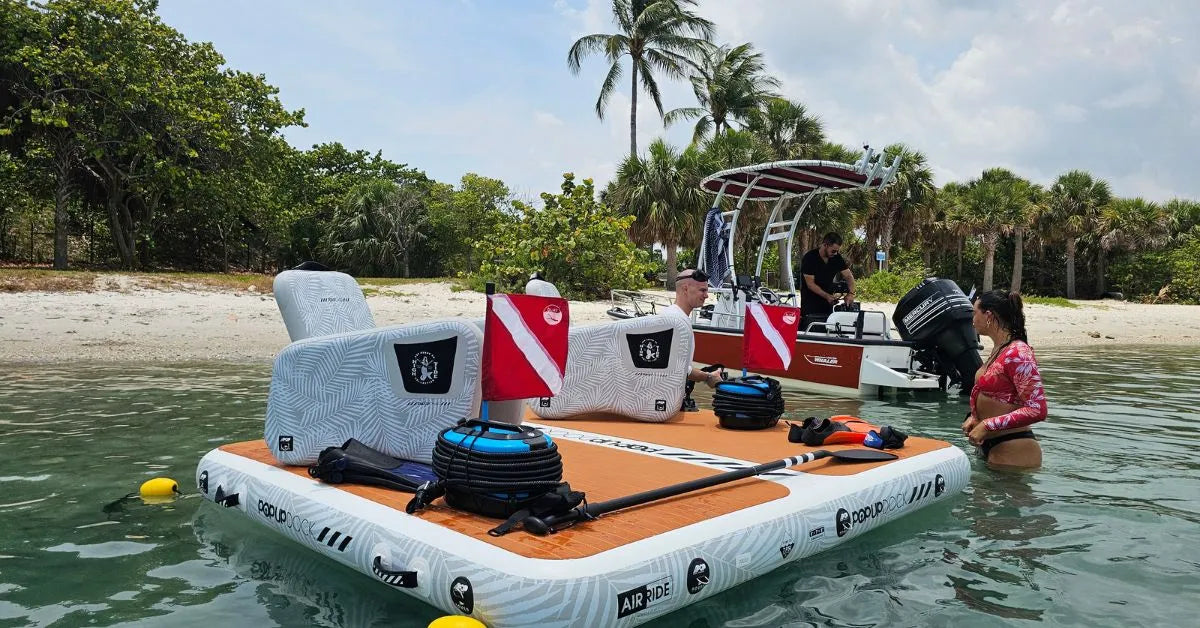
Transform Your Water Event with Inflatable Dock Rentals
From lakeside weddings on Lake Tahoe to corporate retreats in the Florida Keys, inflatable docks are revolutionizing water-based events across the United States. Whether you're planning a one-time celebration or exploring options before purchasing your own POPUP AQUADOCK, understanding the rental market, pricing structures, and logistics helps you make informed decisions that maximize value and create unforgettable experiences on American waters.
This comprehensive guide explores inflatable dock rentals for events, recreational adventures, and commercial applications across diverse US water environments—from coastal celebrations to mountain lake gatherings and everything in between.
Why Rent an Inflatable Dock?
Inflatable dock rentals serve multiple purposes for individuals, event planners, and businesses across the United States.
Special Events and Celebrations
Water-based events create memorable experiences that traditional venues can't match. Inflatable docks provide stable, spacious platforms for:
Weddings and receptions: Lakefront and coastal weddings incorporate inflatable platforms as ceremony locations, cocktail areas, or photo backdrops. The POPUP YACHTDOCK offers 98 square feet of elegant space perfect for intimate ceremonies or reception areas on the water.

Corporate events and team building: Companies host retreats, team-building activities, and client entertainment on inflatable platforms. The unique setting encourages engagement and creates lasting impressions.
Birthday parties and celebrations: From kids' pool parties to milestone birthday celebrations, inflatable docks provide safe, stable entertainment platforms for swimming, diving, and water sports.
Family reunions and gatherings: Large family events at lakefront properties benefit from additional water access and entertainment space that inflatable platforms provide.
Try Before You Buy
Renting allows you to test different sizes, configurations, and brands before committing to a purchase. Experience how a 14-foot platform like the POPUP AQUADOCK performs in your specific water conditions, or compare it to smaller 8-foot options like the POPUP DOCK 8 X 7 to determine which size best fits your needs.
This hands-on experience is invaluable—you'll understand inflation time, stability in your local water conditions, anchoring requirements, and whether the platform meets your expectations before investing $1,500-$3,000 in a purchase.
Seasonal or Occasional Use
If you only need a platform for occasional use—a few weekends per summer, annual events, or specific activities—renting may be more cost-effective than purchasing. This is particularly true for:
- Vacation rentals where you want water amenities for a week or two- Annual events that require platforms once or twice per year- Testing new water sports or activities before committing to equipment purchases- Supplementing existing equipment for large gatherings

Commercial and Business Applications
Businesses across the water sports and hospitality industries use inflatable dock rentals:
Resorts and hotels: Waterfront properties rent platforms to enhance guest experiences without capital investment in permanent structures.
Event planning companies: Professional planners rent platforms for client events, passing costs through to customers while avoiding inventory carrying costs.
Water sports operators: Rental businesses, tour operators, and instruction companies use platforms for lessons, rest areas, and customer amenities.
Film and photography: Production companies rent platforms for shoots requiring stable water-based locations.

Rental Market Overview: Availability Across the United States
The inflatable dock rental market varies significantly by region, reflecting local water recreation patterns and seasonal demand.
High-Availability Regions
Great Lakes states (Michigan, Wisconsin, Minnesota, Illinois, Ohio): Strong rental markets serve the massive summer boating population. Expect good availability from May through September, with peak demand in July and August.
Coastal areas (Florida, California, Carolinas, Texas Gulf Coast): Year-round or extended-season rentals available. Florida and Southern California offer the longest rental seasons, while northern coastal areas peak in summer months.
Mountain lake regions (Colorado, Montana, Idaho, Utah): Growing rental markets serve resort areas and popular recreation lakes. Availability concentrated in June-September.
Popular vacation destinations: Lake Tahoe, Lake Powell, Ozarks, Finger Lakes, and other major recreation areas have established rental infrastructure.
Limited-Availability Regions
Rural areas, smaller lakes, and regions with shorter boating seasons may have limited rental options. In these markets, purchasing may be more practical than renting, or you may need to arrange rentals from larger nearby cities.
Finding Rental Providers
Locate inflatable dock rentals through:
- Local marine and water sports equipment rental companies- Boat rental and marina operations- Event rental companies (party supply, tent rental businesses)- Resort and hotel concierge services- Online marketplaces (peer-to-peer rental platforms)- Manufacturer or retailer rental programs
Always verify the rental company's reputation, insurance coverage, equipment condition, and customer reviews before booking.
Rental Pricing and Cost Analysis
Understanding rental pricing helps you budget accurately and compare rental costs to purchase decisions.
Typical Rental Rates
Inflatable dock rental pricing varies by size, duration, location, and season:
Daily rentals:- Small platforms (8' x 7'): $75-$150 per day- Medium platforms (10' x 8'): $125-$200 per day- Large platforms (14' x 7'): $175-$300 per day
Weekend rentals (Friday-Sunday):- Small platforms: $200-$350- Medium platforms: $300-$450- Large platforms: $400-$650
Weekly rentals:- Small platforms: $400-$700- Medium platforms: $600-$900- Large platforms: $800-$1,200
Monthly or seasonal rentals:- Significant discounts available (30-50% off daily rates)- Small platforms: $1,000-$1,800 per month- Large platforms: $1,800-$3,000 per month
Additional Fees and Costs
Beyond base rental rates, expect these potential charges:
Delivery and pickup: $50-$200 depending on distance. Some companies include delivery within a certain radius.
Setup and inflation: $50-$150 if you want the rental company to inflate and position the platform.
Cleaning fees: $25-$75 if the platform is returned excessively dirty.
Damage deposits: $200-$500 refundable deposit to cover potential damage.
Insurance: Optional damage waiver insurance typically $15-$40 per day.
Accessories: Pumps, anchors, and additional equipment may incur separate charges if not included.
Seasonal Pricing Variations
Rental rates fluctuate based on demand:
Peak season (June-August): Highest rates, limited availability, advance booking required (4-8 weeks for popular weekends).
Shoulder season (May, September): Moderate rates, better availability, 2-4 weeks advance booking recommended.
Off-season (October-April in most regions): Lowest rates where available, excellent availability, but limited rental options in northern states.
Holiday weekends (Memorial Day, July 4th, Labor Day) command premium pricing—expect 20-40% surcharges over regular peak season rates.
Rent vs. Buy: Cost-Benefit Analysis
Determining whether to rent or purchase depends on usage frequency, storage capacity, and long-term plans.
Break-Even Analysis
Compare rental costs to purchase prices:
Purchase cost for quality platform: $1,500-$2,500 (e.g., POPUP AQUADOCK or POPUP YACHTDOCK)
Rental cost per weekend: $400-$650 for comparable platforms
Break-even point: 3-6 weekend rentals equal purchase price
If you'll use a platform more than 4-6 times per season, purchasing typically makes financial sense. For occasional use (1-3 times per year), renting remains more economical.
Hidden Ownership Costs
Purchasing involves costs beyond initial price:
- Storage space (garage, shed, or storage unit rental)- Maintenance supplies (cleaning products, repair kits, UV protectant)- Pump and inflation equipment ($50-$200)- Anchors and mooring equipment ($75-$150)- Transportation (roof rack, trailer, or vehicle capacity)- Time investment (setup, maintenance, storage)
These ongoing costs add $100-$300 annually, but remain far less than frequent rental fees.
Flexibility and Convenience Factors
Rental advantages:- No storage requirements- No maintenance responsibilities- Try different sizes and models- No capital investment- Professional delivery and setup available
Ownership advantages:- Use anytime without booking- No rental availability constraints- Customize and accessorize as desired- Long-term cost savings- Asset you can sell when finished
Decision Framework
Rent if you:- Use platforms 1-3 times per year- Lack storage space- Want to try before buying- Need different sizes for different events- Prefer zero maintenance responsibility
Buy if you:- Use platforms 4+ times per season- Have adequate storage- Want unrestricted access- Plan multi-year use- Enjoy water activities regularly
Rental Logistics and Best Practices
Successful rentals require planning, clear communication, and attention to details.
Booking Process and Timeline
8-12 weeks before event (peak season):- Research rental companies and compare pricing- Verify availability for your dates- Understand cancellation policies- Book and pay deposit (typically 25-50%)
4-6 weeks before:- Confirm delivery details and timing- Arrange site access and parking for delivery vehicles- Verify water conditions and anchoring requirements- Confirm final headcount and platform size needs
1-2 weeks before:- Confirm final details with rental company- Prepare site (clear debris, identify anchoring points)- Arrange help for setup if needed- Review safety and usage guidelines
Day of delivery:- Be present for delivery and inspection- Document platform condition (photos/video)- Verify all included equipment and accessories- Get setup instructions and emergency contact information
Site Preparation and Requirements
Ensure your location can accommodate the rental:
Water depth: Minimum 3-4 feet for safe anchoring and use. Verify depth at low tide or low water levels.
Bottom conditions: Identify bottom type (sand, mud, rock) to select appropriate anchors. Rental companies often provide anchors, but verify they're suitable for your conditions.
Access: Ensure delivery vehicles can reach the water. Large platforms require adequate space for inflation and launching.
Permits and regulations: Verify local regulations allow temporary platforms. Some jurisdictions require permits even for short-term rentals.
Safety considerations: Identify hazards (submerged rocks, strong currents, boat traffic) and plan platform positioning accordingly.
Inspection and Documentation
Protect yourself from damage claims:
1. Thoroughly inspect the platform before accepting delivery2. Document existing damage with photos and video3. Test inflation and verify all valves function properly4. Confirm all included equipment is present and functional5. Get written acknowledgment of pre-existing damage from rental company6. Repeat documentation process at return to prove condition
This documentation protects you from unfair damage charges and ensures you're not held responsible for pre-existing issues.
Usage Guidelines and Restrictions
Rental agreements typically include restrictions:
Capacity limits: Adhere to maximum occupancy ratings (typically 4-8 people depending on size).
Prohibited activities: Many rentals prohibit jumping, diving, or using platforms as trampolines.
Weather restrictions: Requirements to deflate or secure platforms during storms or high winds.
Supervision requirements: Children must be supervised, life jackets required for non-swimmers.
Cleaning expectations: Return platforms reasonably clean to avoid cleaning fees.
Violating rental terms can result in damage charges, loss of deposits, or liability for injuries.
Event Planning with Inflatable Docks
Maximize your event success with strategic planning and creative platform use.
Weddings and Ceremonies
Inflatable platforms create stunning ceremony and reception locations:
Ceremony platform: Position a large platform (14' x 7') as the ceremony location with the wedding party and officiant. Guests view from shore or boats, creating an intimate, unique setting.
Cocktail area: Use platforms as floating cocktail lounges during receptions. Decorate with lighting, furniture, and floral arrangements for elegant ambiance.
Photo opportunities: Platforms provide dramatic backdrops for wedding photos—sunset ceremonies on the water create unforgettable images.
Logistics considerations:- Ensure stable access for wedding party (boarding ramps or stairs)- Plan for weather contingencies (wind, rain)- Coordinate with photographers for optimal lighting and angles- Arrange sound systems that work in outdoor water environments- Consider guest comfort (seating, shade, restroom access)
Corporate Events and Team Building
Companies use inflatable platforms for memorable corporate experiences:
Team building activities: Water-based challenges, relay races, and cooperative games on platforms encourage teamwork and communication.
Client entertainment: Unique settings impress clients and create relaxed environments for relationship building.
Product launches: Innovative companies launch products on water platforms for memorable, shareable events.
Retreats and meetings: Breakout sessions on floating platforms provide change-of-scenery that stimulates creativity and engagement.
Private Parties and Celebrations
Birthday parties, anniversaries, and celebrations benefit from inflatable platform versatility:
Kids' parties: Platforms serve as diving boards, swim areas, and play zones. The POPUP AQUANET with safety netting provides additional security for younger children.
Adult celebrations: Floating lounges, sunset viewing platforms, or party zones for milestone birthdays and anniversaries.
Family reunions: Large gatherings use multiple platforms to create water parks, fishing areas, and swimming zones for all ages.
Decorating and Customizing Rental Platforms
Transform basic platforms into themed event spaces:
- Lighting: String lights, LED strips, or floating lanterns create ambiance- Furniture: Lightweight, water-resistant seating and tables- Shade: Pop-up canopies or umbrellas for sun protection- Flooring: Outdoor rugs or foam mats for comfort and aesthetics- Signage: Waterproof banners, flags, or custom graphics- Floral arrangements: Waterproof containers with fresh or artificial flowers
Always verify with rental companies what decorations are permitted and ensure nothing damages the platform surface.
Safety and Liability Considerations
Protecting guests and managing risk is essential for event success.
Insurance and Liability
Rental company insurance: Verify the rental company carries liability insurance covering their equipment. This protects you if equipment failure causes injuries.
Event insurance: For large events, consider special event insurance covering water-based activities. This is particularly important for weddings, corporate events, or any gathering with significant liability exposure.
Homeowner's insurance: Check if your homeowner's policy covers water-based events on your property. You may need additional coverage or riders.
Waivers and releases: For organized events, consider having participants sign liability waivers. Consult with legal counsel to ensure waivers are properly drafted and enforceable in your state.
Safety Equipment and Protocols
Essential safety measures for events on inflatable platforms:
Life jackets: Provide US Coast Guard-approved life jackets for all non-swimmers and children. Make them readily accessible for all guests.
First aid: Keep comprehensive first aid kits accessible, including supplies for water-related injuries (cuts, scrapes, sunburn).
Supervision: Designate responsible adults to supervise water activities, especially when children are present.
Communication: Ensure cell phones or marine radios are available for emergency communication.
Weather monitoring: Monitor weather forecasts and have plans to evacuate platforms if conditions deteriorate.
Alcohol management: If serving alcohol, ensure responsible consumption and prohibit intoxicated guests from using platforms.
Emergency Preparedness
Plan for potential emergencies:
- Identify nearest emergency services and provide address/coordinates to 911 if needed- Designate someone trained in CPR and water rescue- Establish clear emergency procedures and communicate them to all guests- Keep rescue equipment accessible (throw ropes, reaching poles)- Know how to quickly evacuate platforms if necessary
Regional Considerations Across the United States
Different US regions present unique rental market characteristics and considerations.
Great Lakes Region
The Great Lakes states offer robust rental markets serving millions of summer boaters:
Season: Late May through early September, with peak demand July-August.
Conditions: Cold water temperatures (even in summer) require safety awareness. Wave action from large lakes demands secure anchoring.
Popular uses: Yacht tenders, fishing platforms, family swim areas at lakefront properties.
Rental availability: Excellent in major markets (Chicago, Detroit, Milwaukee, Cleveland, Minneapolis).
Coastal Regions
Florida and Gulf Coast: Year-round or extended season rentals. Saltwater requires thorough rinsing. Tidal considerations for anchoring. Strong market for events, resorts, and vacation rentals.
California and Pacific Coast: Extended season (April-October). Cool water temperatures. Strong market in Southern California, San Diego, and San Francisco Bay Area.
Atlantic Coast: Seasonal markets (May-September) in Carolinas, Mid-Atlantic, and New England. Tidal ranges affect platform positioning. Popular for coastal weddings and resort amenities.
Mountain and Western States
Colorado, Utah, Montana, Idaho: Short but intense season (June-September). High-altitude lakes with pristine water. Growing rental markets in resort areas (Lake Tahoe, Lake Powell, Flathead Lake).
Considerations: Altitude affects inflation pressure. Remote locations may have limited rental availability. Spectacular scenery makes platforms popular for photography and events.
Southern and Central States
Texas, Oklahoma, Arkansas, Missouri: Extended seasons (April-October). Large reservoir systems (Lake Texoma, Lake of the Ozarks, Sam Rayburn). Strong rental markets in major recreation areas.
Southeast (Tennessee, Kentucky, Alabama, Georgia): Long seasons, warm water, extensive lake systems. Growing rental markets serving tourism and recreation industries.
Frequently Asked Questions
How far in advance should I book an inflatable dock rental?
For peak season weekends (June-August) and holidays, book 6-8 weeks in advance. Shoulder season (May, September) requires 3-4 weeks. Off-season bookings can often be made 1-2 weeks ahead. Popular vacation destinations and wedding dates book earliest—secure rentals as soon as your event date is confirmed.
What's included in a typical rental?
Most rentals include the inflatable platform, pump for inflation, basic anchors, and usage instructions. Delivery, setup, and additional accessories (extra anchors, safety equipment, boarding ladders) may cost extra. Always clarify what's included before booking to avoid surprise charges.
Can I rent inflatable docks for multi-day events?
Yes, multi-day and weekly rentals are common and typically offer better per-day rates than daily rentals. For events spanning several days (destination weddings, corporate retreats), weekly rates provide significant savings. Some companies offer monthly or seasonal rentals for extended use.
What happens if weather forces event cancellation?
Cancellation policies vary by company. Many offer rescheduling without penalty if done within specified timeframes (typically 7-14 days before rental). Weather-related cancellations on the event day may result in partial or full charges. Purchase event insurance or damage waiver coverage to protect against weather-related losses. Always review cancellation terms before booking.
Am I responsible for damage during the rental period?
Yes, renters are typically liable for damage beyond normal wear and tear. Damage deposits ($200-$500) cover minor issues. Significant damage may exceed deposits. Optional damage waiver insurance ($15-$40/day) limits your liability. Document platform condition at delivery and return to avoid disputes over pre-existing damage.
Can rental companies deliver to any location?
Delivery depends on accessibility and distance. Most companies deliver within 50-100 miles of their location, with fees based on distance. Remote locations, difficult access (steep terrain, narrow roads), or extreme distances may be unavailable or incur premium charges. Discuss delivery logistics early in the booking process.
Do I need permits to use a rental inflatable dock?
Requirements vary by location. Most jurisdictions don't require permits for temporary platforms (1-7 days), but some do. Check with local authorities, marina management, or homeowner associations before booking. Rental companies familiar with your area can often advise on permit requirements. For events on public waters, verify regulations with state DNR or Coast Guard.
How long does setup and inflation take?
Inflation takes 10-15 minutes with an electric pump. Add 15-30 minutes for positioning and anchoring. Total setup time is typically 30-60 minutes depending on platform size and complexity. If the rental company provides setup service, they handle all aspects. DIY setup requires following provided instructions carefully.
Conclusion: Making the Most of Inflatable Dock Rentals
Inflatable dock rentals offer flexible, cost-effective solutions for water-based events, recreational adventures, and try-before-you-buy experiences across America's diverse waterways. Whether you're planning a lakeside wedding in Minnesota, a corporate retreat in the Florida Keys, or testing platforms before purchasing your own POPUP AQUADOCK, understanding rental markets, pricing, and logistics ensures successful outcomes.
The rental versus purchase decision depends on usage frequency, storage capacity, and long-term plans. For occasional use (1-3 times annually), rentals provide access without ownership responsibilities. For regular use (4+ times per season), purchasing platforms like the POPUP YACHTDOCK or POPUP DOCK 8 X 7 delivers better long-term value.
Successful rentals require advance planning, clear communication with rental companies, thorough site preparation, and attention to safety. Document platform condition, understand rental terms, and prepare for contingencies to ensure smooth experiences.
As the inflatable dock rental market continues growing across the United States, availability improves and pricing becomes more competitive. Whether you're creating unforgettable events on the water or exploring ownership options, inflatable platforms transform how Americans enjoy lakes, rivers, and coastal waters.
Explore our complete inflatable water docks collection to see ownership options, or use rental experiences to identify the perfect platform for your water adventures. Transform your events and recreational experiences with the versatility, stability, and excitement of premium inflatable dock platforms.


Leave a comment
All comments are moderated before being published.
This site is protected by hCaptcha and the hCaptcha Privacy Policy and Terms of Service apply.