



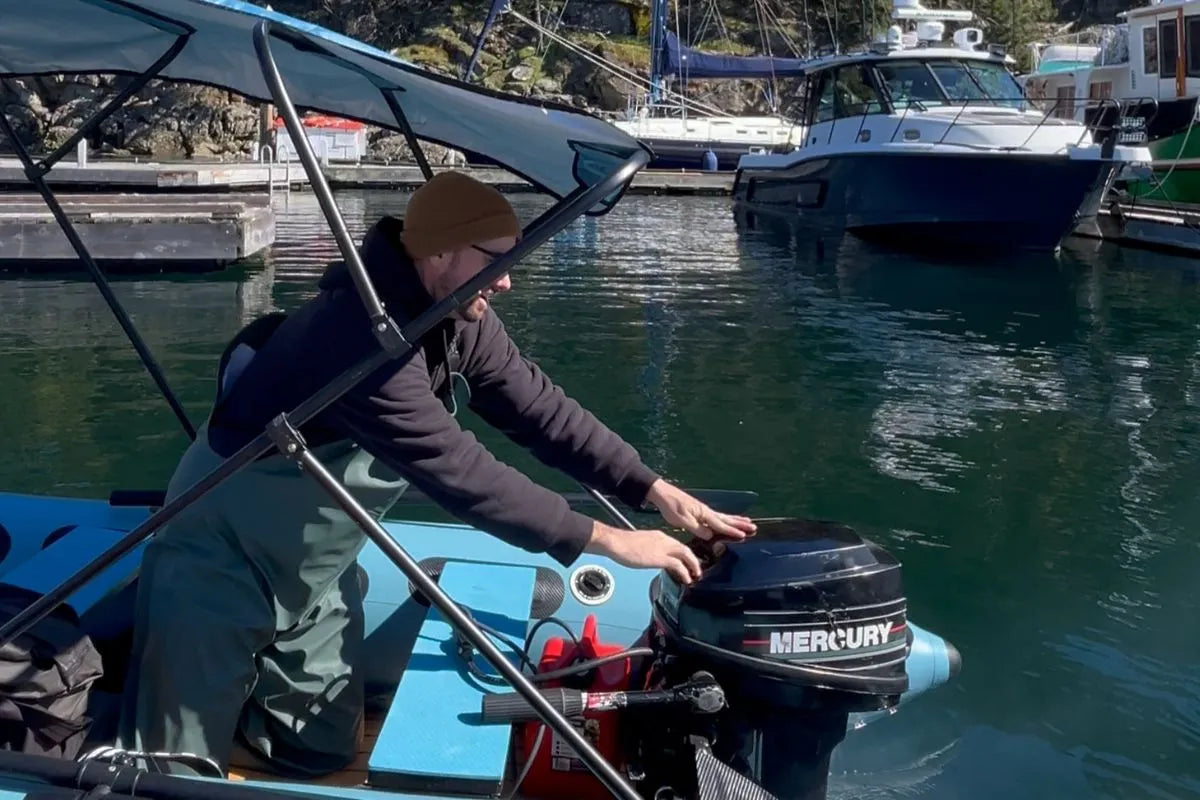
Choosing the right motor for the 10' Rover Marine Battle Cat starts with one rule: match the motor to the boat, not the other way around.
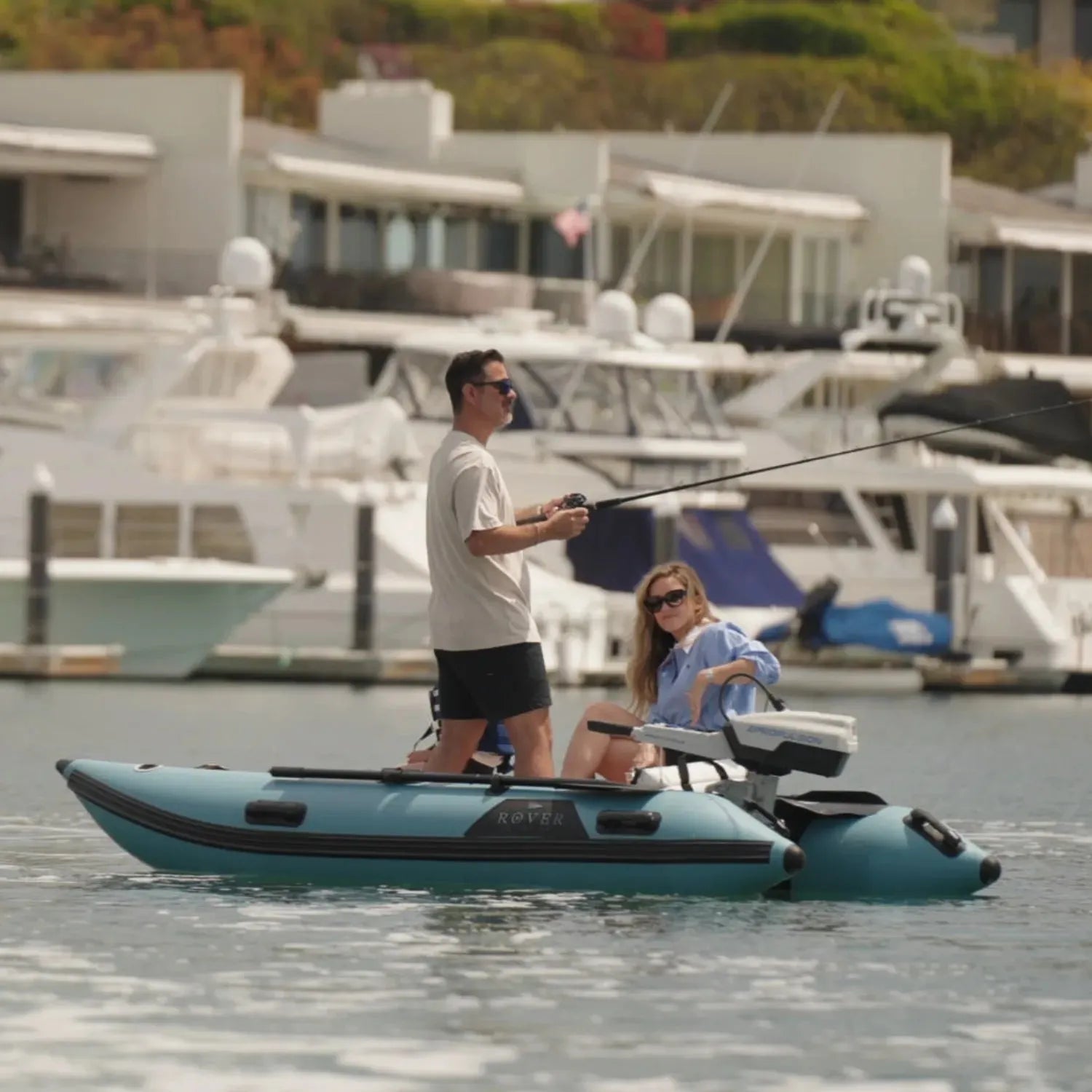
The 10' Battle Cat is a compact inflatable catamaran built for stability, portability, fishing, cruising, and yacht-tender use. It is rated up to 10HP, but that does not mean every 10HP motor is the right fit for every owner.
Your real-world setup depends on how you use the boat: short marina runs, lake cruising, fishing, tender duty, longer exploration days, or quiet electric power around an anchorage.
Start With the Boat's Rating
The 10' Rover Marine Battle Cat is rated up to 10HP. That rating is tied to the hull design, transom construction, handling, buoyancy, and overall safety margins.
Do not overpower the boat. A motor that exceeds the boat’s rating can create unsafe handling, increase transom stress, and create warranty issues.
The better move is simple: choose the right motor within the rating.
- Stay at or below the listed horsepower rating.
- Choose the correct shaft length.
- Keep motor weight realistic for the transom and your use case.
- Match gas or electric power to how far you actually travel.
For general boating safety information, review the U.S. Coast Guard Boating Safety resources.

Use Rover Marine’s Motor Resources
Because the Battle Cat is a Rover Marine boat, the best place to compare current motor options is Rover Marine’s own motor collection and motor buying guidance.
Rover Marine currently lists electric outboard options, including short-shaft Torqeedo and ePropulsion setups designed for inflatable boats, tenders, and small craft.
Browse Rover Marine’s current electric motor options, including short-shaft setups for inflatable boats.
Use Rover Marine’s motor guide to compare electric vs gas power, shaft length, horsepower ranges, and compatibility with Battle Boat and Battle Cat vessels.
Short Shaft vs Long Shaft: The Most Common Mistake
Before choosing a brand, verify shaft length.
Most inflatable boats in this class are designed around short-shaft outboards. A long-shaft motor can sit too deep, reduce efficiency, create drag, and hurt handling.
Always check the boat’s transom requirements and the motor’s shaft length before buying.
Wrong shaft length can make a good motor feel like the wrong motor.
Gas Outboards: The Traditional 5HP to 10HP Route
For owners who want longer range, quick refueling, and stronger all-day flexibility, a gas outboard remains the traditional choice.
The most common trusted brands in this horsepower range include Honda, Tohatsu, Mercury, and Yamaha.
Honda BF5 and BF6
Honda small outboards are known for reliability, easy starting, and strong dealer support. A 5HP or 6HP Honda can be a practical choice for owners who value simple ownership and long-term durability.
See current details at Honda Marine.
Tohatsu MFS6
Tohatsu is a strong small-outboard option for boaters who want a lightweight, reliable motor with a straightforward ownership experience.
See current details at Tohatsu.
Mercury 5HP and 6HP
Mercury’s biggest advantage is its dealer and service network. For boaters who want easy parts access and familiar service support, Mercury is worth considering.
See current details at Mercury Marine.
Yamaha F6
Yamaha small outboards are known for smooth running, quiet operation, and strong long-term reputation. They can cost more, but many owners appreciate the refinement.
See current details at Yamaha Outboards.
Electric Outboards: Quiet, Clean, and Great for Short Runs
Electric outboards have become a serious option for inflatable boats, especially for marina cruising, tender duty, short lake runs, and quiet anchorage use.
The main trade-off is range. Electric power is clean, quiet, and low-maintenance, but battery capacity determines how far and how long you can run.
If your Battle Cat use looks like short shore runs, harbor cruising, fishing quietly, or moving between boat and dock, electric can make a lot of sense.
Rover Marine currently lists electric outboard options including ePropulsion Spirit 1.0 Plus Short Shaft and Torqeedo Travel short-shaft configurations in their electric motor collection.
Four-Stroke vs Two-Stroke
For most modern buyers, a four-stroke gas outboard is the easier recommendation.
- Better fuel economy.
- Quieter operation.
- No oil mixing.
- Better emissions compliance.
- Strong resale value.
- Reliable dealer support from major brands.
A used two-stroke may make sense for a very specific buyer who knows exactly what they are inspecting, but for a primary motor purchase, most owners are better served by modern four-stroke gas or electric power.
Saltwater Care Matters
If you run the Battle Cat in saltwater, motor care matters just as much as motor choice.
Saltwater use can shorten the life of any outboard if you skip basic maintenance.
Three Habits That Protect Your Motor
- Flush with fresh water after saltwater use.
- Inspect anodes regularly.
- Use clean fuel and avoid letting old fuel sit in the carburetor.
For additional maintenance guidance, BoatUS has a helpful Expert Advice resource center.
Buying Used: What to Check
A clean used outboard can be a smart buy, but only if you inspect it properly.
- Ask for service records.
- Check for corrosion around the lower unit and clamps.
- Verify cooling water flow.
- Inspect lower-unit oil condition.
- Confirm the motor starts, idles, shifts, and restarts cleanly.
- Verify the shaft length before negotiating.
A well-maintained used motor from a major brand is usually better than a cheap unknown motor with no parts support.
What Not to Bolt on the Back
Do Not Exceed the Rating
If you need more than the 10' Battle Cat is designed to handle, step up to a larger Rover Marine model like the 12' Rover Marine Battle Cat.
Step up the boat, not the motor.
Do Not Ignore Motor Weight
Horsepower is not the only number that matters. Motor weight affects trim, carrying, launching, storage, and how the boat sits at rest.
Do Not Buy a No-Support Mystery Motor
A low price is not a deal if you cannot find parts, service, warranty support, or a local mechanic willing to work on it.
Which Rover Marine Boat Is Right for You?
Compact, lightweight, and easy to manage for smaller crews.
The versatile catamaran platform for fishing, cruising, yacht-tender use, and stable family adventures.
The step-up platform for larger crews, more room, and higher power needs.
The single-hull sibling for anglers and utility-focused adventures.
Browse the complete Rover Marine inflatable boats and catamarans collection.
Frequently Asked Questions
What horsepower motor should I put on a 10' Battle Cat?
The 10' Battle Cat is rated up to 10HP. Many owners choose a 5HP or 6HP motor for a balance of usability, weight, fuel economy, and portability. Always stay within the listed rating.
Can I use an electric outboard on the Battle Cat?
Yes. Electric outboards can work very well for short-distance cruising, tender duty, fishing, and quiet marina use. Check Rover Marine’s electric outboard collection for current options and compatibility guidance.
Should I choose gas or electric?
Choose gas if you need longer range, fast refueling, and all-day flexibility. Choose electric if you prioritize quiet operation, low maintenance, short trips, and clean power.
Can I put a 15HP motor on a 10' Battle Cat?
No. Stay within the manufacturer’s rating. If you need more power, choose a larger boat designed for that output.
What is the most important motor detail besides horsepower?
Shaft length. Choosing the correct shaft length is critical for handling, efficiency, and proper propeller position.
Ready to Power Up?
The 10' Rover Marine Battle Cat is the boat. The motor is the second decision.
Stay within the rating. Choose the correct shaft length. Think honestly about range. Use Rover Marine’s motor resources to compare current electric options and buyer guidance before you commit.
Military-Grade Tech. Radical Aesthetic. Born in Santa Ana, California.

Leave a comment
All comments are moderated before being published.
This site is protected by hCaptcha and the hCaptcha Privacy Policy and Terms of Service apply.